
Organic fabric: Part II of the GOTS certification
Here's Part II in our blog series about organic fabric and the GOTS certification!
In the first blog post, we tried to clarify the meaning of the term "organic fiber" and the criteria required by GOTS certification to guarantee a quality label. Now we'll discuss the industry criteria involved in such certification.
The following information comes from the GOTS website, and you can consult it yourself here.
Let's get started!
What textile processing steps are covered by a GOTS certification?
“1. First Processing Stages
As a processing standard, certification according to GOTS begins with the first processing stage of textile fibres.
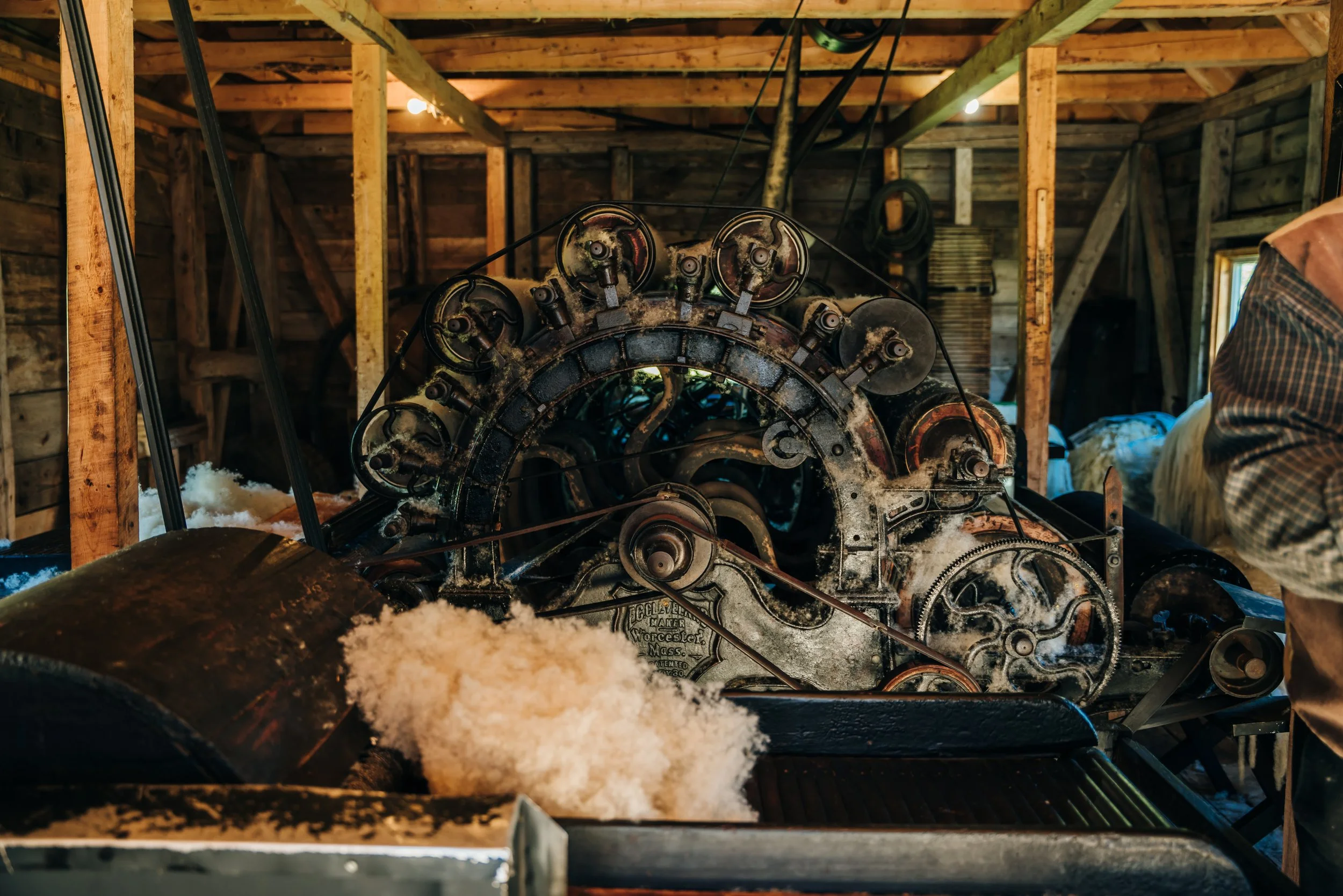
To illustrate, in the case of cotton, the initial processing stage is ginning, where the seeds are separated from the cotton bolls. For bast fibres (such as flax, hemp, jute, kenaf, ramie, etc.) retting is another example of an early processing step covered by GOTS.
Among animal fibres, boiling and washing cocoons for silk is the first step that is covered under GOTS and for wool, scouring is the first step. If grading of wool is not covered by the organic farming certification, grading would be the first processing step in a GOTS certified entity.
2. Spinning
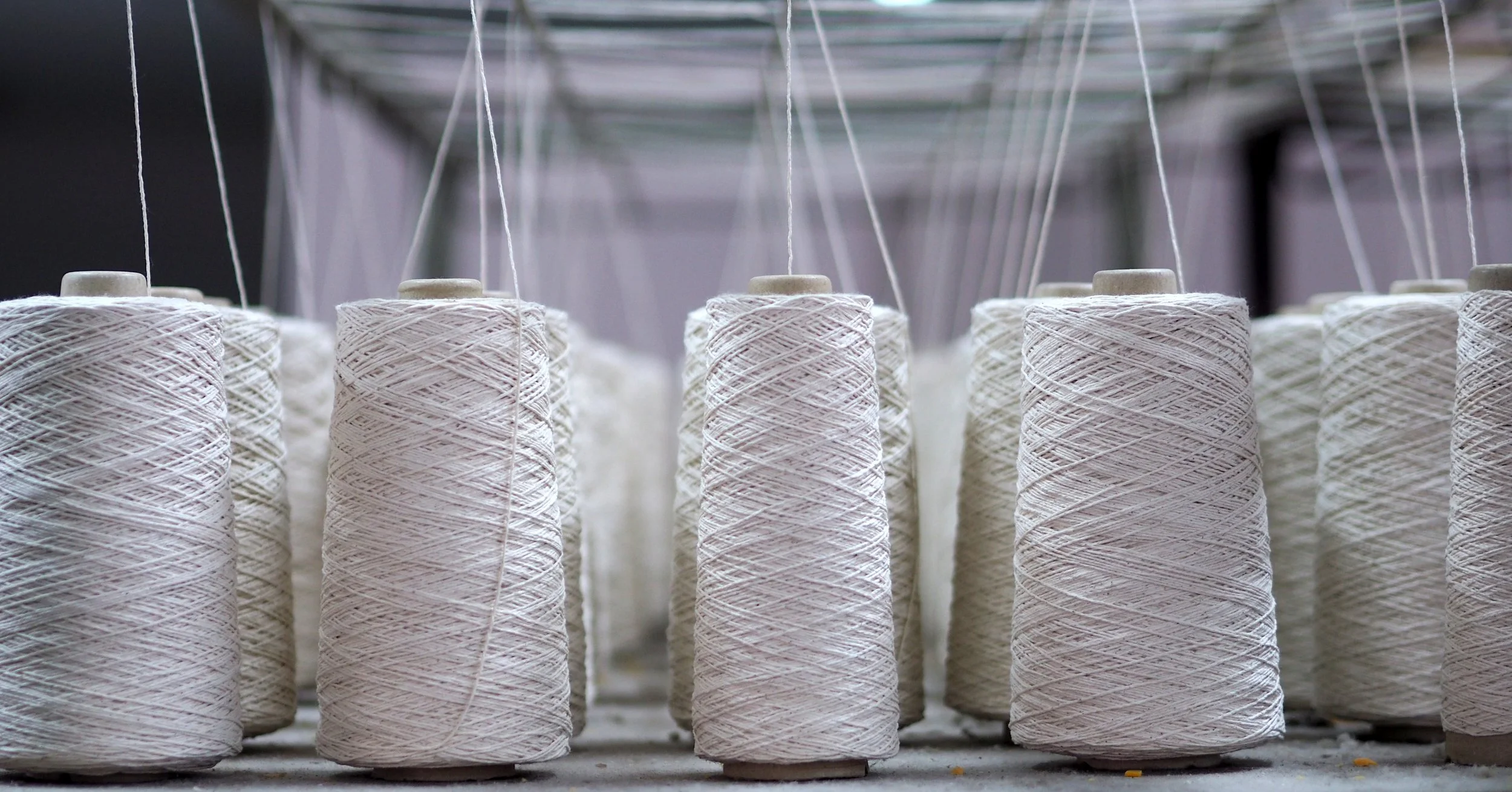
Spinning, usually the second step in the GOTS value chain, is the processing stage at which fibres are converted into yarns, with the help of twisting and drawing. Worsted spinning and cotton spinning employ different kinds of machinery in yarn preparation. Worsted spinning involves aligning and combing longer staple fibres to create a smooth, strong and fine yarn. Furthermore, companies may employ ring spinning and open-end spinning. Sometimes, synthetic fibres – as long as compliant with the GOTS criteria – may be blended with natural fibres at this stage. Manufacturing techniques for non-woven materials, such as felt, bonded fabrics and spunbond fabrics, eliminate spinning and directly convert fibres into fabric.
For the GOTS labelling, a product with the label grade 'organic' must contain a minimum of 95% certified organic fibres. A product with the label grade ‘made with’ must contain a minimum of 70% certified organic fibres. In some cases, Comber Noil can be used as a raw material for spinning open-end yarns during the spinning stage of textile production. Comber Noil refers to the short fibres that are separated during the combing process to obtain longer, higher-quality fibres.
3. Weaving and Knitting
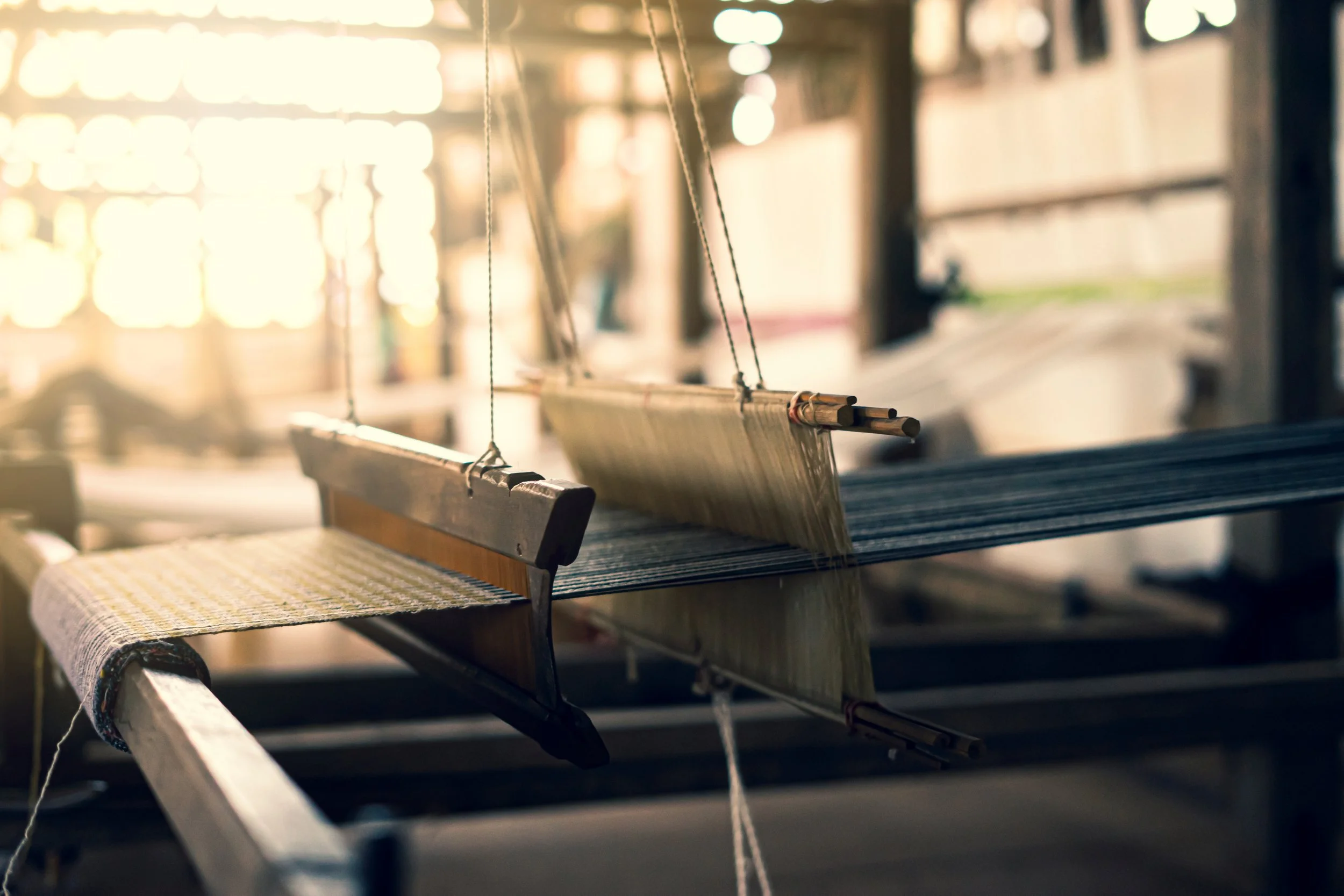
At the next stage, weaving or knitting, the yarn is converted into fabric. Undyed or dyed yarns may be used to make fabrics. In weaving, different kinds of yarns can be utilised in the warp and weft. The warp refers to the yarns that run lengthwise in the fabric, while the weft represents the yarns that are woven horizontally across the warp threads. Sometimes, different kinds of yarns are used in warp and weft for blending, strengthening, patterning, etc. Weaving is usually preceded by warping and sizing in order to make the yarn more durable. Sizing includes applying natural or chemical inputs on yarns to strengthen them, so that they can withstand the strain during the warping and weaving process.
4. Wet-Processing
At the Wet-Processing stage, textiles, fabrics or yarns are treated with colourants and/or chemicals, collectively referred to as inputs in GOTS terminology. These treatments include sizing, desizing, pre-treatment, dyeing, printing (including digital printing), finishing, laundry, etc. Find out more about the GOTS environmental criteria here.
Non-woven manufacturing employing hydro entanglement is considered a wet-processing step as well and involves the use of high-pressure water jets to entangle and interlock fibres, resulting in the creation of non-woven fabrics.
Post weaving, the woven fabrics undergo desizing to remove sizing chemicals. This is followed by pre-treatment processes like bleaching, washing and other treatments to prepare the fabric or yarn for dyeing and printing. These processes aim to enhance absorbance, whiteness and ensure optimal readiness for colouring.
Dyeing and printing operations are the process of imparting colour to the substrate using dyes, inks, pigments, etc. Some auxiliaries are also used to enhance exhaustion or uniform uptake of colour, etc.
Finishing is usually the final step in wet-processing operations. It is used to improve the look, performance, or softness of the finished textile. Sometimes, stitched garments undergo washing in laundries post manufacturing. This is also covered under the finishing section in GOTS.
5. Manufacturing
Also defined as the “cutting, making, trimming” industry, manufacturing refers to the final step of production of GOTS Goods and includes all kinds of organic textile products like garments, home textiles, carpets, hygiene products, combined products etc.
Manufacturing can include elements like assembling, fabric marking, stitching, ironing, sorting, balling, filling/stuffing etc.
6. Trading
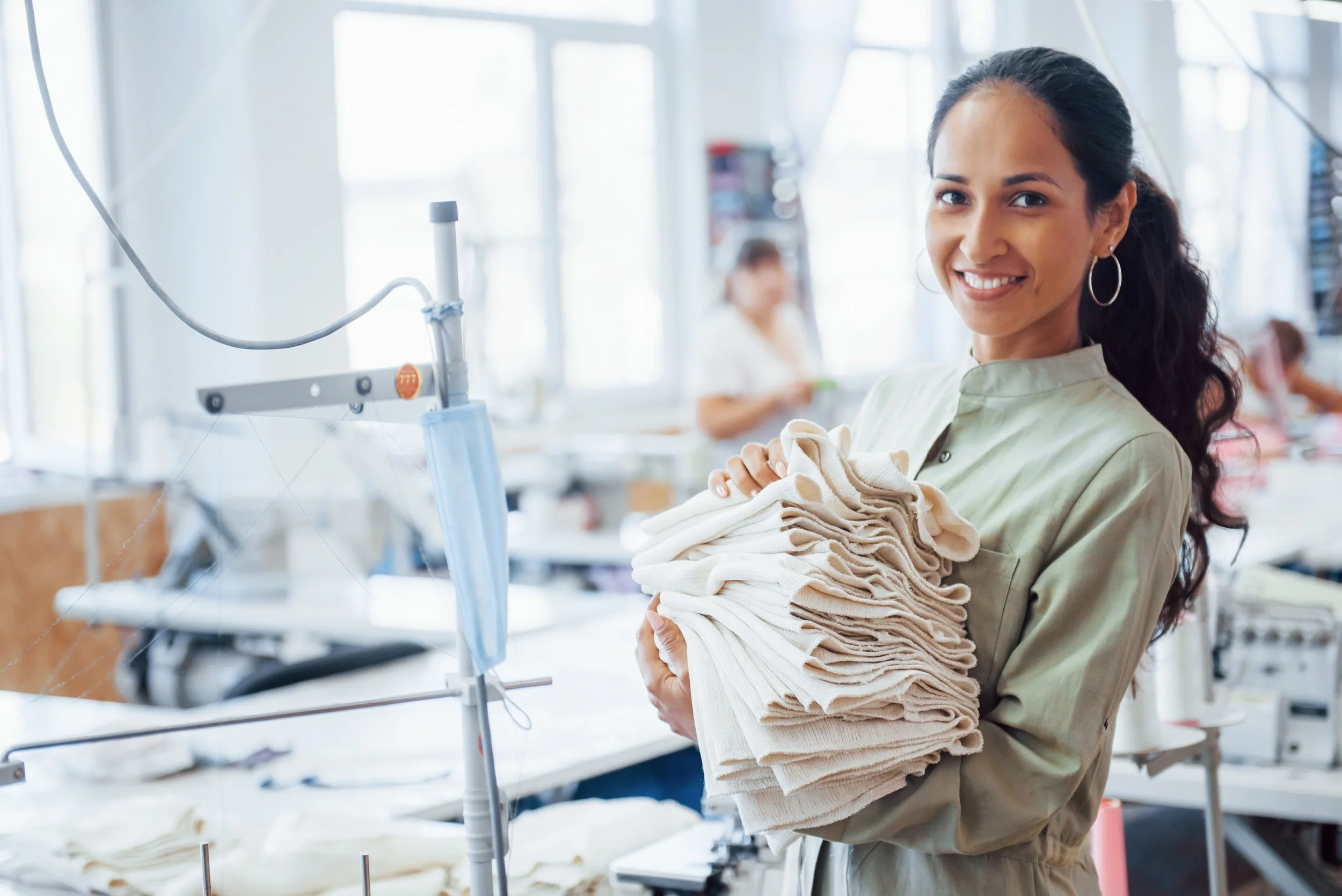
Traders, specifically Business to Business (B2B) operators, play a crucial role in buying and selling GOTS Goods within the textile industry. They operate within the value chain, dealing with products like yarns and fabrics, as well as packaged products ready for sale to end consumers.Please note that agents and buying offices that solely facilitate the sale of goods are not considered traders in this context. On the other hand, businesses exclusively focused on selling GOTS Goods directly to end consumers are referred to as retailers. We aim to provide comprehensive information to support both traders and retailers in their engagement with GOTS-certified products.”
So, if we look at all these steps, it seems clear that GOTS certification tries to establish rigorous standards throughout the entire manufacturing chain, in addition to agricultural requirements.
The certification is ambitious and requires a great deal of commitment from the companies that achieve it, especially since manufacturing standards and practices are far from uniform worldwide, but the textile industry depends on international players.
We will conclude this short series on organic fabric with a third installment that will examine how the GOTS certification tries to uphold human rights through their standards.
