
Organic fabric and GOTS certification: what are the benefits?
What is organic fabric? What are the benefits of choosing GOTS-certified organic fabric?
Several of the brands we offer—Birch Fabric and Cloud9 Fabrics—use organic cotton, and their factories are certified by the Global Organic Textile Standard (GOTS). These brands specialize in organic fabric, and their purchase price is higher than other fabric brands due to the costs associated with this certification and environmental commitment.
We want to share more information about what this certification means, not only for those who buy the fabric but also for those who work in the industry, whether in the cotton fields or in the factories.
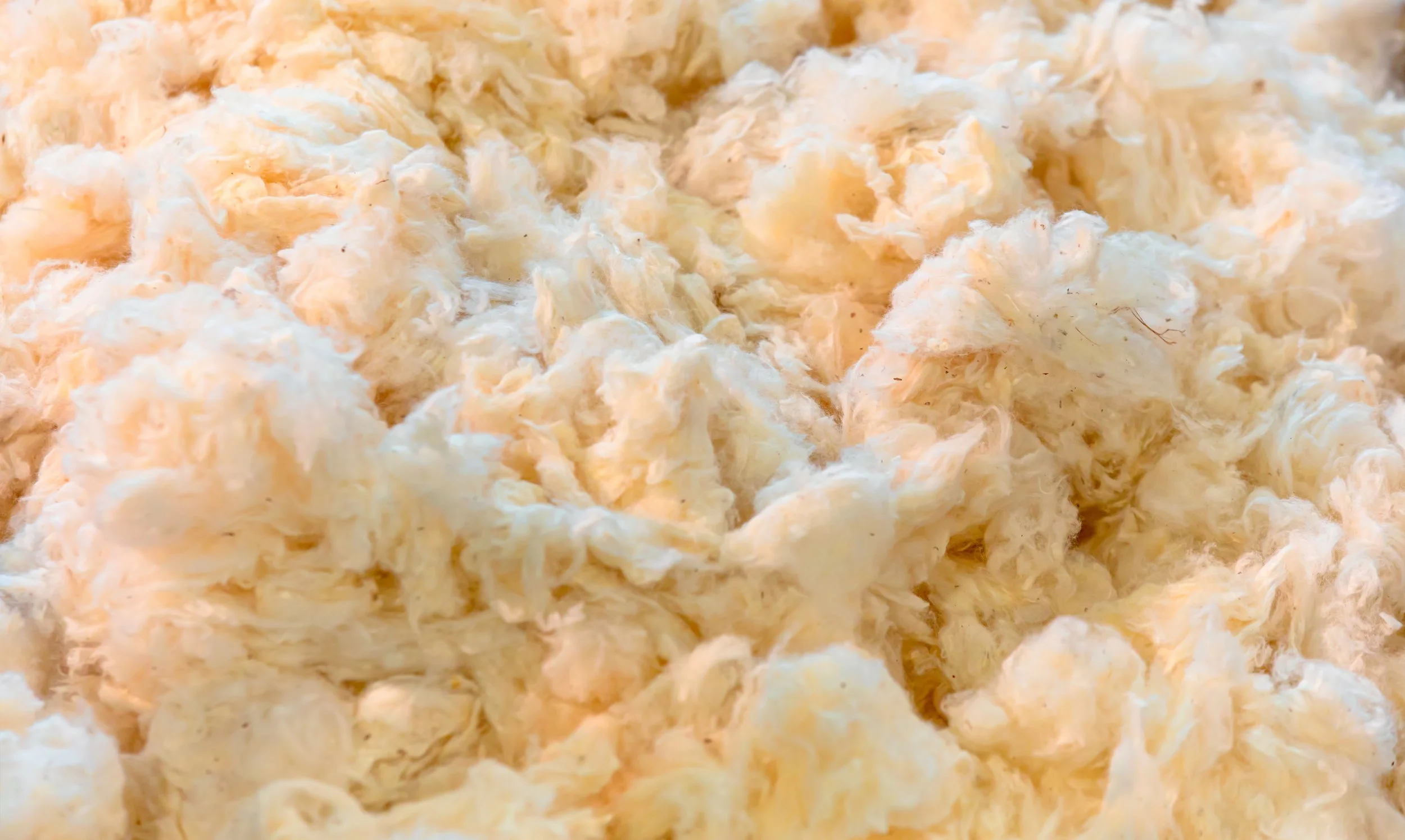
To begin with, the GOTS label regulates not only how the raw materials in question are grown and processed, but also the working conditions of the workers at each stage of the process.
Consumers who buy GOTS-certified fabric can be assured that:
« To carry the ‘made with organic’ label grade, a textile product must contain a minimum of 70% certified organic fibres, while the ‘organic’ label grade requires a minimum of 95% certified organic fibres. The remaining portion of fibres must meet strict criteria per GOTS requirements. »
So, what exactly does "organic" mean? The GOTS definition states that:
« Organic fibres are natural fibres grown without the use of synthetic pesticides, insecticides, or herbicides and GMOs (Genetic Modified Organisms) according to the principles of organic agriculture. Organic agriculture is a production process that sustains the health of ecosystems, soils and people. »
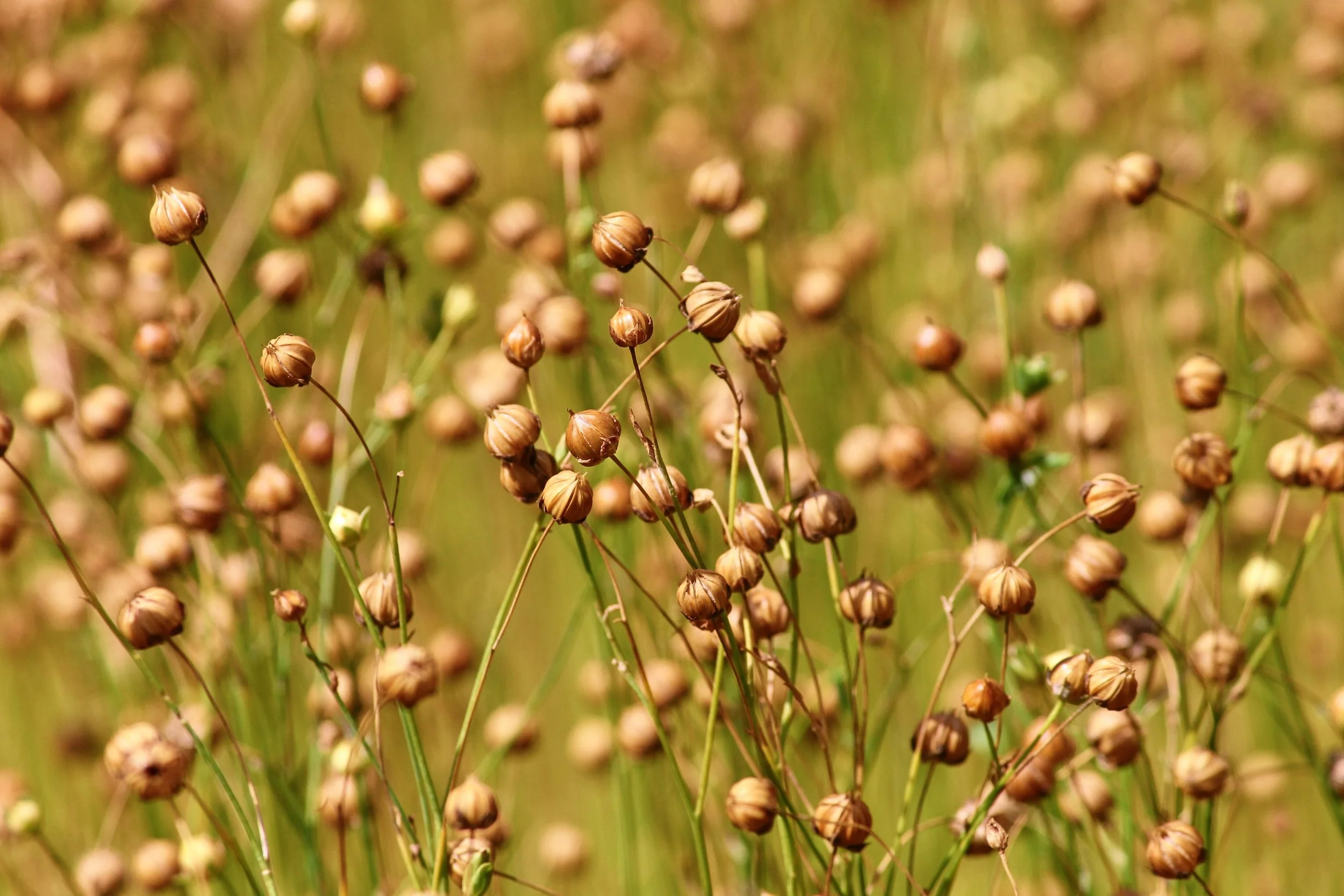
Thus, the "organic" label encompasses the idea of the long-term health of the environment and people in general. Furthermore, the certification covers not only the agricultural sector but also factory processes and workers' rights.
Now, let's take a closer look at the raw materials in question.
At Fil Volant, we only sell cotton fabric, but several fibers can carry the GOTS label.
According to the GOTS website, organic fibers include the following characteristics:
“Sustainable: Organic fibres are derived from organic agriculture, a regulated and certified method for sustainable land management. Organic is the only legislated standard for environmentally friendly agriculture, and it is a proven method to contribute to sustainability goals.
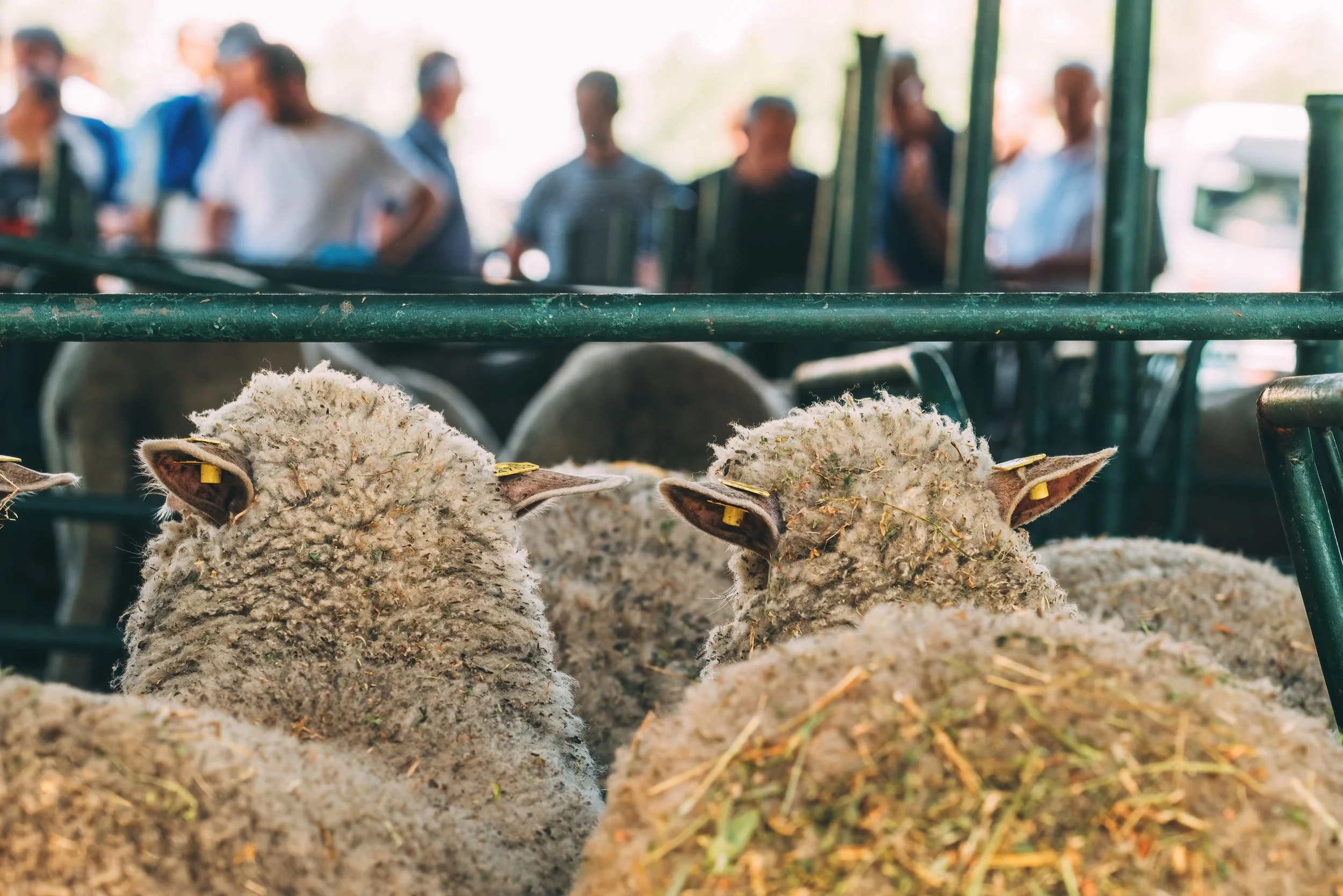
Plant or Animal based: Organic fibres can be plant-based, such as cotton, linen, or hemp, or animal-based, such as wool, silk or cashmere.
Free of toxic chemicals: Organic fibre production prohibits the use of harmful pesticides, herbicides, and synthetic fertilisers, all of which have been proven to negatively impact ecosystems and/or human health.
Non-GMO: The use of Genetically Modified Organisms (GMOs) is prohibited in organic agriculture. This is due to potential and demonstrated adverse effects on human and ecosystem health associated with GMOs. Organic fibres are thus derived from agricultural systems that promote biodiversity and support ecosystem functions.”
« The GOTS certification process encompasses each phase of the processing process of organic fibres, through manufacturing, packaging, labelling and trading, all the way to the distribution. »
We invite you to read more in a future blog post where we will share more details regarding the textile production stages as well as the human rights commitment required by GOTS certification.
